Behavioral Analytics Patterns Driving Tailored Reward Mechanisms in Mobile Jackpot Applications
Written by Casey Wagner · Sep 20, 2026
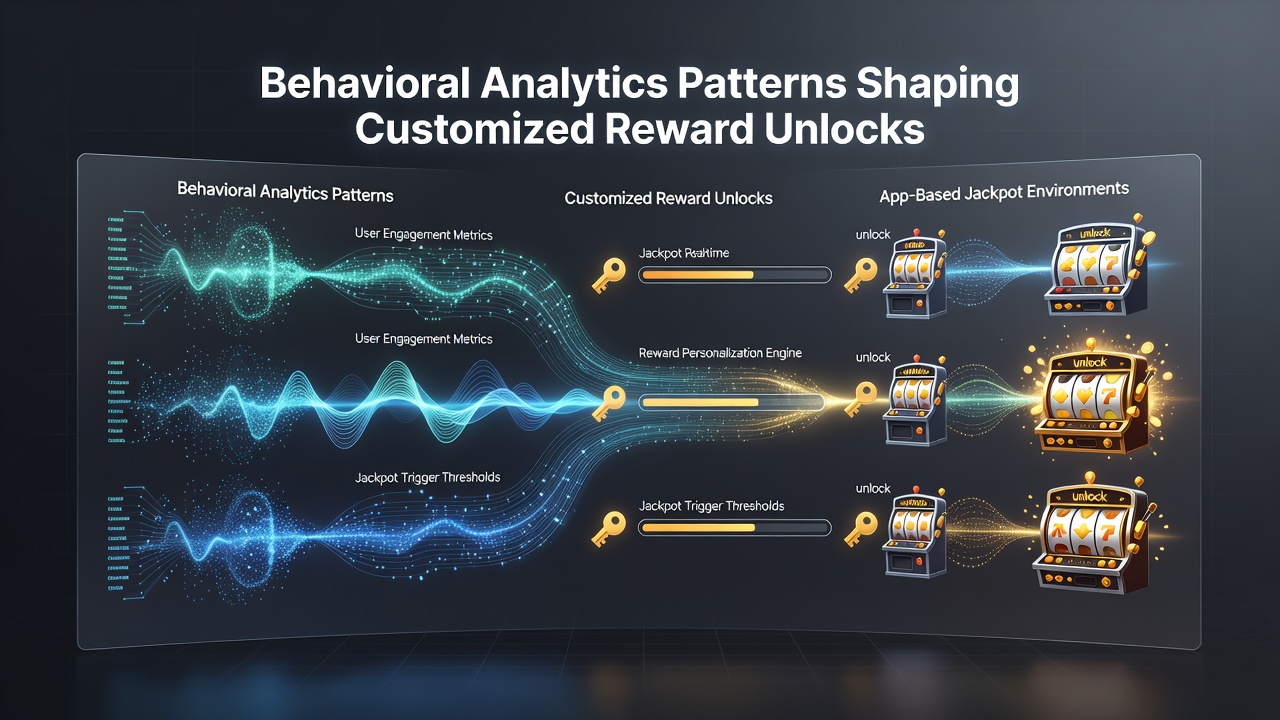
Behavioral Analytics Patterns Driving Tailored Reward Mechanisms in Mobile Jackpot Applications
Behavioral analytics in app-based jackpot environments rely on continuous tracking of player interactions that include session duration, bet frequency, and response times to in-game prompts, while developers apply machine learning models to segment users into groups based on observed patterns rather than self-reported preferences. Researchers at institutions such as the University of Nevada, Reno have documented how these models process real-time data streams from portable devices to predict when a user might respond positively to a specific reward tier, and the resulting systems adjust unlock thresholds dynamically without requiring manual intervention from operators.
Data Inputs That Shape Reward Customization
Session length combined with average wager size forms one primary input stream that algorithms use to forecast engagement levels, whereas patterns in win-loss ratios and time spent on bonus rounds provide secondary signals that refine the timing of reward offers. Data shows that players who maintain consistent daily logins often receive accelerated access to stacked multipliers, and those exhibiting sporadic activity patterns encounter staggered unlock schedules designed to encourage return visits. According to reports compiled by the Canadian Centre on Substance Use and Addiction, these segmentation approaches draw from aggregated datasets collected across multiple jurisdictions, allowing developers to calibrate reward frequencies against regional regulatory constraints that took effect in early 2026.
Session-Based Pattern Recognition
Algorithms identify clusters of users who extend play sessions beyond fifteen minutes by monitoring swipe velocity and pause intervals, then route those clusters toward reward pathways that feature progressive jackpot contributions scaled to individual risk tolerance. Observers note that short-burst players, defined as those completing under five spins per login, typically encounter reward gates that require fewer consecutive actions before activation, and this differentiation occurs because models trained on historical logs from September 2026 onward have demonstrated higher conversion rates when unlock conditions match observed persistence levels. Such pattern recognition operates through decision trees that update nightly, incorporating fresh telemetry while discarding personally identifiable information to maintain compliance with data protection statutes.
Integration With Progressive Prize Structures
Progressive prize pools in handheld environments accumulate contributions from every qualifying spin, yet behavioral analytics determine the precise moment when a user’s accumulated activity qualifies them for an enhanced share of that pool. Systems cross-reference a player’s historical multiplier triggers against current session metrics, and the outcome determines whether the next reward unlock includes an accelerated contribution rate or an expanded eligibility window for larger jackpots. Industry reports indicate that these linkages have grown more sophisticated since mid-2026, when several platforms introduced layered incentive engines that respond to both micro-patterns like rapid re-bets and macro-patterns such as weekly spend velocity.
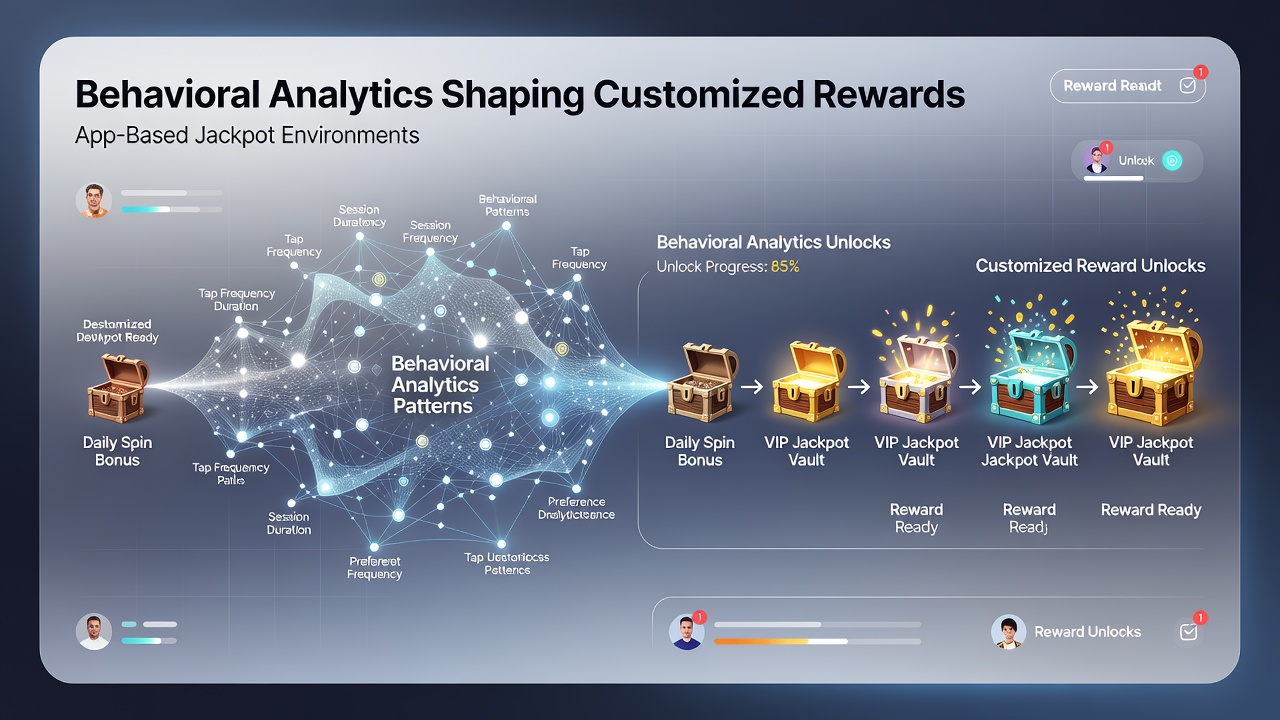
One study released by the Australian Gambling Research Centre examined how reward timing influenced repeat engagement across a sample of 120,000 active accounts, revealing that users presented with analytics-derived offers at the twenty-minute mark showed measurably higher retention than those receiving generic prompts. The same research highlighted correlations between geographic location data and preferred reward types, prompting operators to adjust regional reward libraries accordingly.
Regulatory Context and Implementation Timelines
Regulatory frameworks in multiple regions now require operators to disclose how behavioral data informs reward distribution, and compliance documentation submitted in September 2026 demonstrated that most major platforms had already embedded audit trails capable of reproducing the exact decision path leading to any given unlock. These trails allow oversight bodies to verify that customization does not inadvertently favor or disadvantage particular demographic segments, and the requirement has accelerated adoption of explainable AI techniques within the analytics stack. European operators subject to the latest amendments from national gaming authorities have reported similar implementation schedules, with several jurisdictions mandating quarterly reviews of pattern-recognition accuracy to prevent unintended clustering effects.
Future Trajectories for Pattern-Driven Rewards
Continued refinement of real-time analytics engines suggests that reward customization will increasingly incorporate cross-device signals, such as shifts between tablet and smartphone usage during a single session, while maintaining separation between behavioral datasets and financial transaction records. Industry associations including the World Lottery Association have published guidance documents outlining best practices for maintaining transparency when algorithms adjust unlock conditions, and these documents emphasize the importance of periodic third-party validation of model fairness. Observers tracking developments through late 2026 anticipate further convergence between behavioral segmentation and responsible gaming tools, particularly as platforms test predictive flags that surface reward offers only when user activity remains within predefined safe-play boundaries.
Conclusion
Behavioral analytics patterns continue to influence how customized reward unlocks function inside app-based jackpot environments, and the mechanisms rely on measurable inputs such as session metrics, wager consistency, and response timing. Evidence from regulatory filings and academic studies indicates that these systems operate within evolving compliance structures that took additional shape during September 2026, while cross-jurisdictional reports underscore the technical linkages between pattern recognition and progressive prize distribution. The documented approaches demonstrate how data segmentation enables differentiated reward pathways without deviating from objective performance thresholds established by each platform’s operational parameters.