Evolution of Starter Incentives into Multi-Tiered Prize Chains in Electronic Gaming Applications
Written by Amir Koch · Nov 1, 2026
Evolution of Starter Incentives into Multi-Tiered Prize Chains in Electronic Gaming Applications
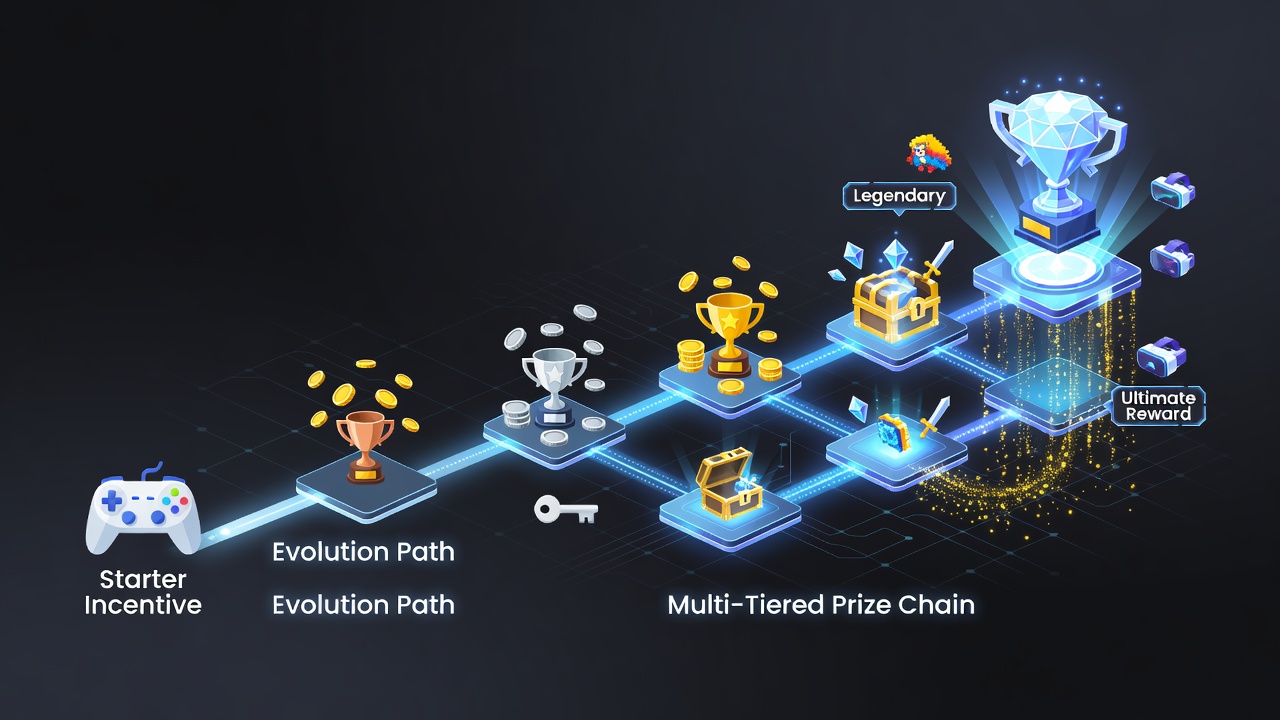
Starter incentives in electronic gaming applications began as straightforward entry points designed to draw users into platforms, often limited to initial credits or free attempts upon registration. Over time these mechanisms expanded through integration with user data tracking and session analytics, creating pathways that link early rewards to sustained engagement layers. Research from industry monitoring groups indicates that by the mid-2010s many mobile gaming operators had shifted from one-time offers to sequenced reward structures that build across multiple user milestones.
Initial Forms of Entry Rewards in Digital Platforms
Early electronic gaming applications relied on simple deposit matches or fixed free spin allocations that activated immediately after account creation. These systems operated independently of long-term play patterns, focusing instead on acquisition metrics reported by platform operators. Data compiled by the American Gaming Association shows participation rates in such entry offers climbed steadily through 2018 as smartphone penetration increased across North America and Europe. Developers adjusted these rewards based on aggregate retention figures rather than individual progression models at that stage.
Payment processors introduced verification steps that tied initial bonuses to confirmed funding sources, which in turn influenced how subsequent reward tiers unlocked. Observers note that this linkage between transaction validation and reward access formed the foundation for later chained structures, where one completed action directly fed eligibility for the next level. Electronic gaming logs from that period reveal higher completion rates when early incentives required minimal user input before advancing.
Expansion into Layered Reward Architectures
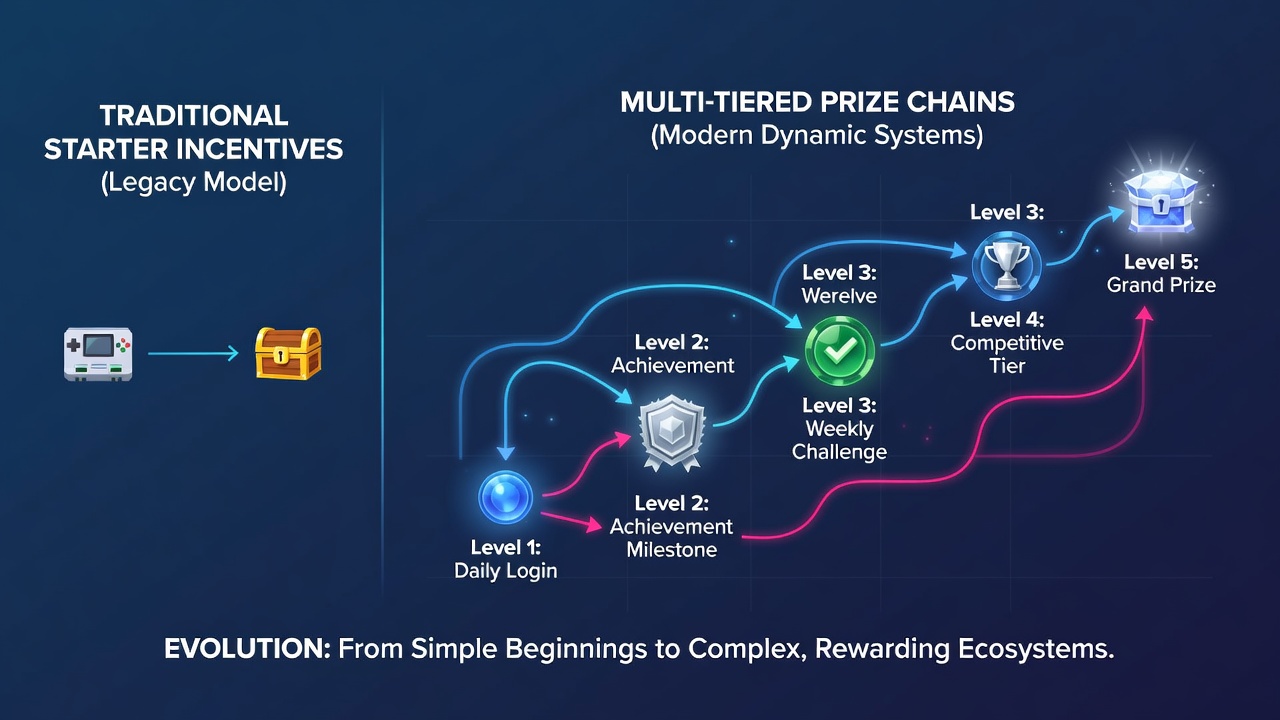
Platform operators began embedding progression elements that connected starter rewards to cumulative play thresholds and loyalty classifications. These tiers incorporated variables such as total wager volume, session frequency, and achievement of specific in-game objectives to determine access to escalated prize pools. Studies published in gaming technology journals document the adoption of algorithmic models that recalibrated tier boundaries weekly based on cohort performance data.
By 2022 several major application developers had implemented cross-session tracking that allowed starter incentives to carry forward into multi-week chains, converting single bonuses into sequences of escalating multipliers and feature unlocks. This approach aligned with broader shifts in revenue models where recurring engagement metrics replaced one-off acquisition targets. Regulatory filings from jurisdictions including New Jersey and Ontario indicate operators submitted updated compliance documentation as these chained systems grew in complexity.
Technical Integration with Application Ecosystems
Application programming interfaces enabled real-time synchronization between user accounts and central prize distribution servers, allowing multi-tiered chains to adjust dynamically during active sessions. Developers incorporated event triggers that responded to both voluntary actions like deposits and automated milestones such as consecutive login streaks. Figures released by the Canadian Gaming Association highlight increased system uptime requirements as these interconnected reward engines scaled to millions of concurrent users.
Security protocols evolved alongside these changes, incorporating encrypted session tokens that validated each tier advancement before releasing subsequent incentives. Testing reports from independent laboratories confirm that such measures reduced unauthorized access incidents while maintaining seamless user flow across reward stages. Electronic gaming applications now routinely segment user bases into dynamic cohorts that receive customized chain variations derived from historical behavior patterns.
Developments Observed Through November 2026
Platform updates rolled out in late 2026 incorporated additional variables such as social sharing metrics and community challenge participation into tier progression formulas. Aggregated telemetry from major application stores shows continued growth in average chain completion times, reflecting deeper user investment across sequential reward layers. Industry reports from research firms tracking digital entertainment markets note parallel expansions in prize pool sizes tied directly to these evolving structures.
Cross-platform compatibility features allow chains initiated on mobile devices to continue on desktop clients without resetting accumulated progress. This continuity stems from centralized account management systems adopted by operators seeking to unify data across device types. Compliance documentation submitted to state gaming boards in November 2026 reflects ongoing refinements to audit trails that capture every tier transition within these prize sequences.
Conclusion
The progression from isolated starter incentives to interconnected multi-tiered prize chains reflects systematic adaptation of electronic gaming applications to user retention data and technical capabilities. Platform operators continue refining these systems through iterative updates that respond to regulatory expectations and performance analytics. As of November 2026 the structures remain central to application design strategies across global markets.