Examining Synchronization Between Alternative Transaction Channels and Elevated Membership Advantages Within Virtual Spinning Game Platforms
Written by Elena Wolf · Sep 6, 2026
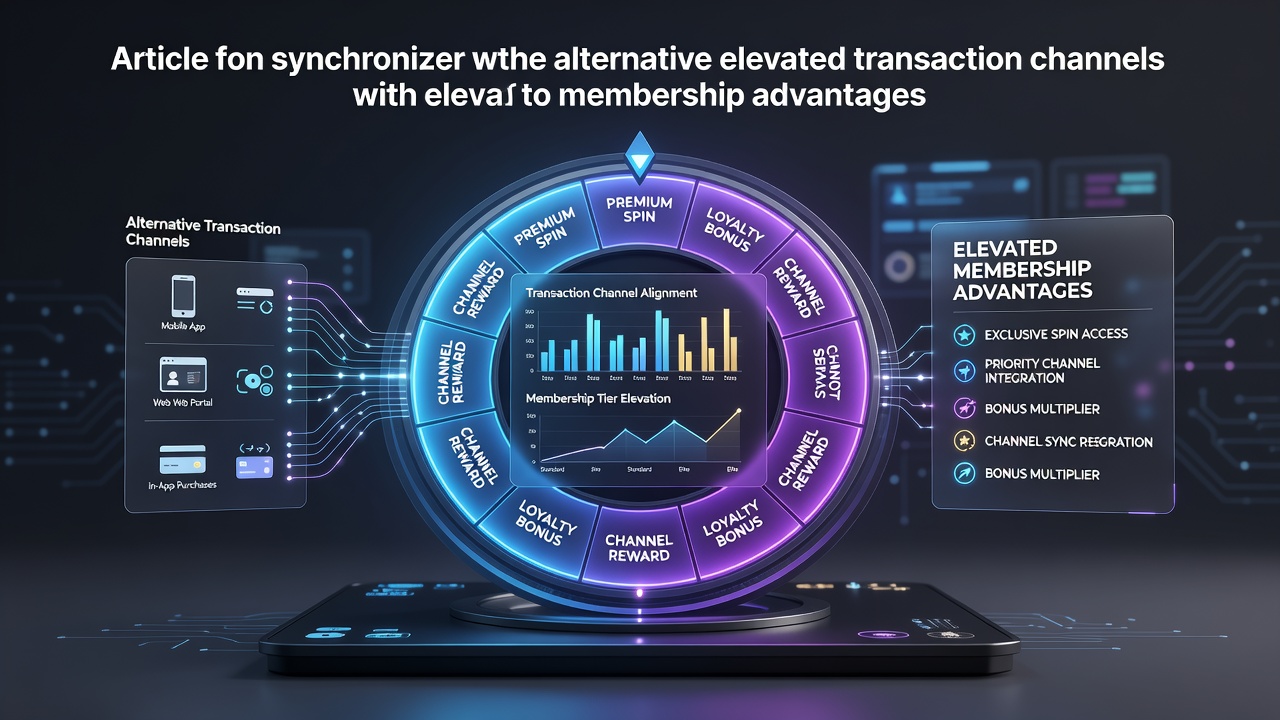
Examining Synchronization Between Alternative Transaction Channels and Elevated Membership Advantages Within Virtual Spinning Game Platforms
Virtual spinning game platforms continue to integrate diverse transaction methods with membership structures as operators seek to align funding pathways with reward systems in digital environments.
Transaction Channel Evolution in Digital Reel Systems
Alternative transaction channels encompass e-wallets, cryptocurrency transfers, bank transfers, and prepaid cards that users employ to fund accounts on spinning game applications. Data from industry reports indicates these methods have expanded since 2024, with platforms recording increased adoption rates across multiple regions. Operators track transaction volumes through centralized dashboards that update in real time, allowing membership tiers to reflect deposit frequency and amounts without manual intervention.
Researchers at academic institutions have documented how these channels feed directly into backend systems that calculate eligibility for elevated advantages. For instance, a deposit via cryptocurrency can trigger an immediate tier reassessment if the platform's algorithm registers the transaction within seconds of completion. This process contrasts with traditional card payments that sometimes require batch processing, though synchronization software has reduced those delays in recent implementations.
Membership Advantage Structures and Their Data Dependencies
Elevated membership advantages typically include accelerated point accumulation, exclusive bonus rounds, higher withdrawal limits, and personalized game features. Platforms assign these benefits based on cumulative activity metrics that draw from transaction histories across channels. Studies show that users who maintain consistent funding through varied methods often reach higher tiers faster than those relying on single payment types, according to aggregated platform analytics shared in 2025 industry summaries.
September 2026 saw several platforms introduce updated APIs that link transaction verification directly to loyalty databases, enabling seamless elevation of status upon meeting predefined thresholds. These updates addressed previous gaps where delayed confirmations from certain channels postponed advantage activation by hours or days.
Integration Mechanisms Driving Synchronization
Platform developers employ middleware solutions that map each transaction type to specific membership rulesets. When a user completes a transfer through an alternative channel, the system cross-references the amount, frequency, and verification status against tier requirements. Successful matches prompt automatic upgrades or unlocks, while mismatches generate alerts for manual review by compliance teams.
Evidence from operational logs reveals that synchronization reduces friction in reward delivery, as users receive confirmation of new advantages within the same session in many cases. One documented approach involves embedding metadata tags on transactions that carry over to the loyalty engine, preserving details like payment source and timestamp for accurate tracking.

Regional Patterns and Platform Adaptations
Platforms operating in North American markets have aligned transaction synchronization with local regulatory reporting needs, whereas those in Asian jurisdictions emphasize speed of tier elevation to match user expectations for rapid feedback. A report from the American Gaming Association outlines how such adaptations support compliance while maintaining operational flow. In parallel, observations from European operators highlight similar patterns where multi-channel funding correlates with higher retention in tiered programs.
Analysts note that September 2026 updates in several systems incorporated machine learning models to predict which transaction channels users prefer at different membership levels. These models draw on historical data to suggest optimal funding routes that accelerate advantage acquisition, though final selection remains with the individual.
Verification Protocols and Their Role in Advantage Delivery
Verification steps embedded in transaction processing ensure that only validated activity contributes to membership calculations. Platforms apply layered checks including identity confirmation, transaction source validation, and anti-fraud screening before syncing data to reward ledgers. This sequence maintains accuracy in tier assignments even as alternative channels introduce variability in processing times.
Those who have examined platform architectures report that robust synchronization depends on standardized data formats across payment providers and loyalty modules. When formats align, the flow from deposit to advantage activation occurs without intermediate data translation, minimizing errors that previously disrupted tier progressions.
Conclusion
Platform records from 2026 demonstrate ongoing refinements in how alternative transaction channels connect with membership advantage systems in virtual spinning environments. These connections rely on technical integrations that process deposits and update tiers concurrently, supporting consistent user progression across diverse funding options. Continued development in this area follows patterns established in earlier years while incorporating new verification tools and regional compliance requirements.