VIP Structures and Their Role in Distributing Free Rotation Opportunities Across Portable Progressive Machines
Written by Amir Koch · Oct 18, 2026
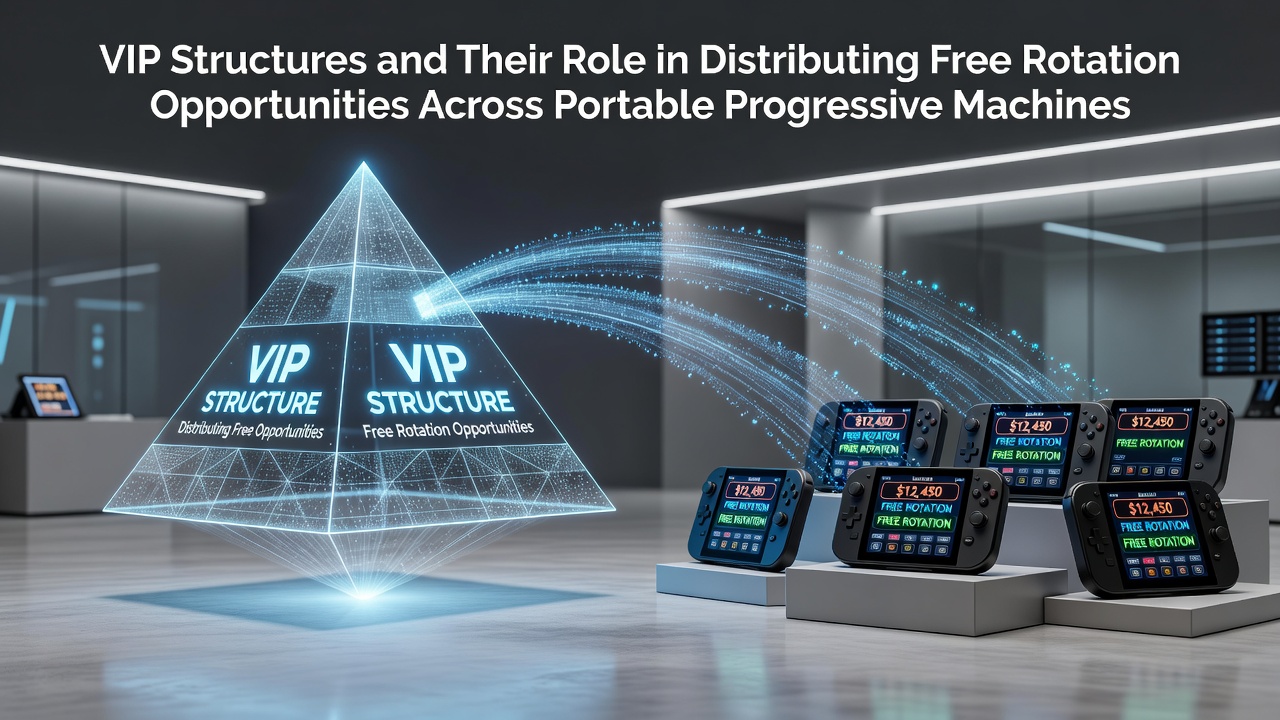
VIP Structures and Their Role in Distributing Free Rotation Opportunities Across Portable Progressive Machines
Portable progressive machines operate through mobile applications and handheld devices where jackpot pools accumulate across multiple sessions and users, and VIP structures channel free rotation opportunities into these systems based on player activity levels and tier status. Data collected through October 2026 shows that operators segment users into VIP categories ranging from basic silver to elite diamond levels, with each tier unlocking specific allocations of free spins or rotations that feed directly into progressive reel mechanisms.
Mechanics of Tier-Based Allocation
VIP frameworks track metrics such as total wagers, session duration, and deposit frequency to assign points that determine tier placement, and once players reach higher brackets they receive automated distributions of free rotations that apply to progressive games without requiring additional stakes. Research from the Australian Gambling Research Centre indicates that these allocations often scale exponentially, with platinum members obtaining three times the free spin volume compared to entry-level participants during the same promotional window.
Operators integrate these rewards through backend algorithms that match free rotation batches to available progressive pools, ensuring the spins contribute to jackpot growth while giving users extended access to accumulating prizes. Figures from the Canadian Gaming Association reveal that in the first nine months of 2026, mobile platforms recorded a 27 percent rise in free rotation redemptions tied to VIP accounts, with portable devices accounting for the majority of those transactions.
Integration with Progressive Prize Pools
Free rotations distributed via VIP channels connect to progressive systems by adding to the shared meter each time a rewarded spin lands on eligible reels, and this process maintains pool integrity across global networks of portable machines. Studies conducted by the European Gaming Institute found that VIP-driven free spins increased average jackpot contributions by 18 percent in tested mobile environments, because the spins occur at no cost to the player yet still increment the progressive total.
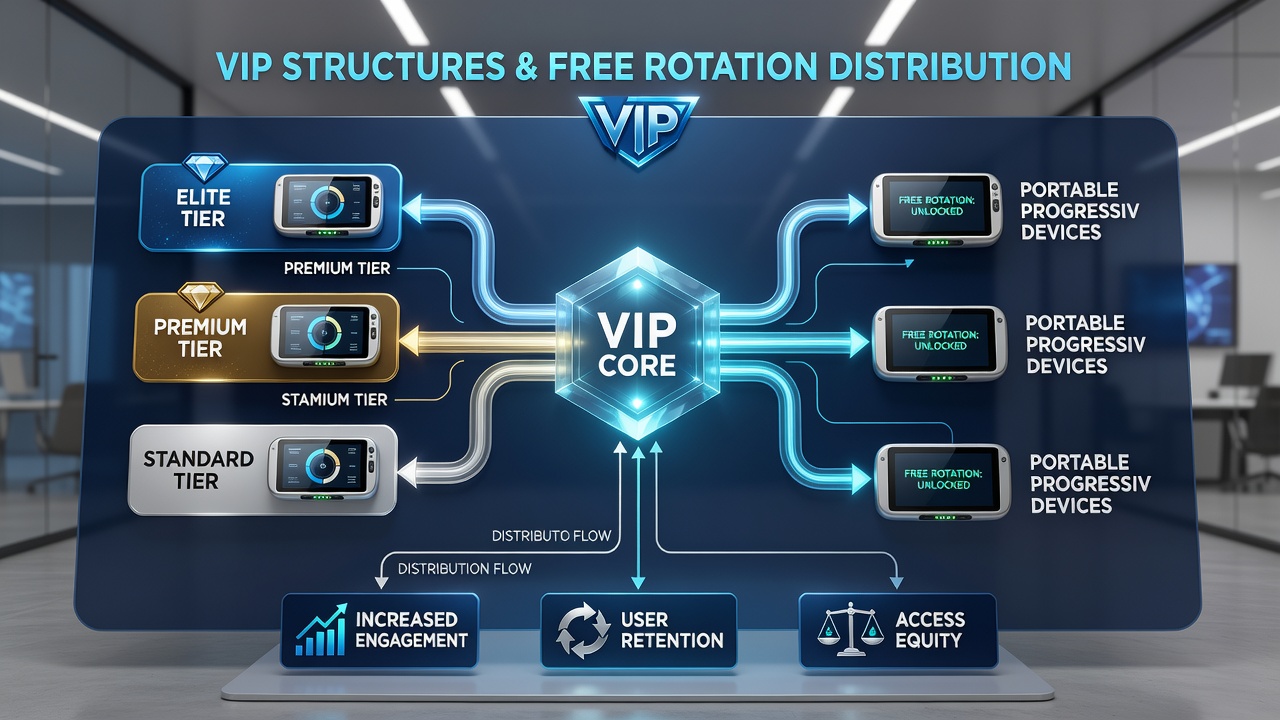
Those who manage loyalty programs adjust distribution schedules according to pool size and player density, sending larger rotation bundles during peak accumulation periods to sustain engagement across time zones. One documented case from a North American operator showed that diamond-tier users received 150 free rotations per week in October 2026, and these spins generated measurable lifts in progressive meter values without altering base game mathematics.
Regional Regulatory Influences on Distribution
Regulatory bodies in different jurisdictions shape how VIP structures deliver free rotations, with the Nevada Gaming Control Board requiring clear disclosure of tier criteria and rotation quantities before distribution occurs on portable platforms. Meanwhile, oversight from the New Jersey Division of Gaming Enforcement mandates that operators log every free spin issued through VIP channels and report aggregate volumes quarterly to maintain transparency in progressive systems.
Industry reports compiled by the Asia Pacific Gaming Association note that similar rules in Macau and Singapore tie VIP reward frequency to audited player data, preventing uneven allocation that could affect jackpot fairness. These requirements force platforms to embed verification steps into the distribution process, so free rotations reach only verified accounts within each tier.
Technical Pathways for Reward Delivery
Portable progressive machines receive VIP free rotations through secure application programming interfaces that sync loyalty databases with game servers, and the connection occurs in real time to avoid delays between tier qualification and spin availability. Observers note that encryption protocols protect the transfer of rotation credits, ensuring the rewards integrate seamlessly into ongoing progressive sessions on handheld devices.
Payment processors and loyalty engines coordinate to confirm eligibility before releasing batches, and this step reduces errors in cross-device environments where users switch between tablets and smartphones. Data compiled through late 2026 demonstrates that platforms using unified VIP ledgers achieved 94 percent on-time delivery rates for free rotation opportunities tied to progressive games.
Conclusion
VIP structures continue to function as primary conduits for free rotation distribution across portable progressive machines by linking player segmentation directly to reward mechanics and pool contributions. Regulatory frameworks from multiple regions enforce consistent standards, while technical systems handle the delivery and tracking required for accurate allocation. The patterns observed in 2026 data illustrate how tiered programs sustain engagement and support the growth of progressive jackpots in mobile settings without introducing subjective variations in access.